Welcome to Historic Schaefferstown
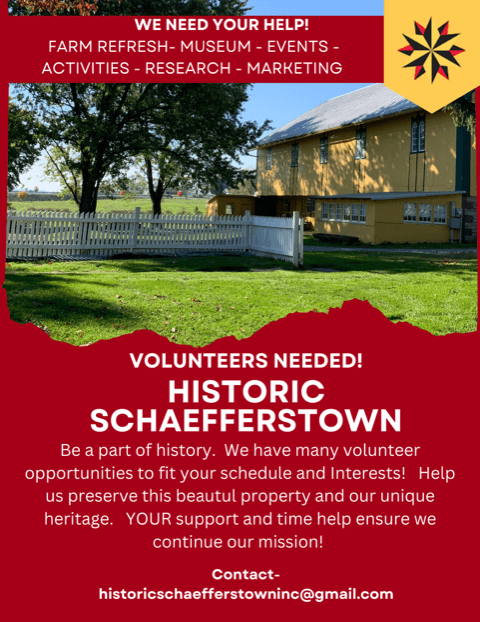
Thanks to the dedication of our members, sponsors, and volunteers, we’ve come a long way since 1966. We invite you to get involved any way you can. Try something different! Take a class. Learn a new skill. Volunteer. Remember to renew your valuable HSI Membership for great benefits every year.
Tap to view PDF of our 2024 Events Brochure >
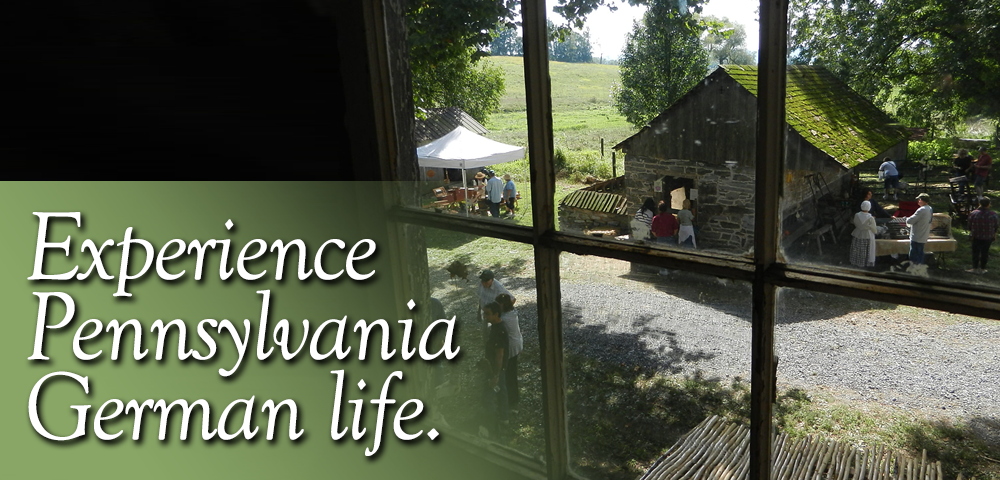
Founded in 1966, HSI is a non-profit educational organization dedicated to the culture and unique history of Schaefferstown and greater southeastern Lebanon County, Pennsylvania. The Pennsylvania German and Swiss cultures which flourished here during the last few centuries are authentically presented among several historic sites – the Alexander Schaeffer House and Farm, the Thomas R. Brendle Museum, and the Gemberling-Rex House. Our sites host cultural events with all the local, historic flavor you expect. Your memorable Pennsylvania German experience with HSI will last a lifetime. Enjoy your website visit today.
Attention Photographers
If you wish to visit the historic Schaeffer Farm or other HSI site on your own to capture personal or professional images of any kind, please obtain HSI’s approval before you visit. It is important to adhere to the HSI Photography Policy:
- Please contact our office (717-949-2244) to request permission at least 4 days in advance. Leave a message if no one answers. Provide details of your planned times of entry and exit of property.
- Shoot up to 1 hour maximum: $25.00 donation requested
- Shoot up to 3 hour maximum: $50.00 donation requested
- Shoot up to 6 hour maximum (full day): $100.00 donation requested
- Professional photographers must sign a formal agreement. HSI will provide authorized name tag and pass as detailed in the Agreement. Request full details when you call.
Historic Schaefferstown, Inc. will not be responsible for any loss or injuries that may occur during the time participants are on the property. Professional photographers must have valid business liability insurance. Photographs obtained may not be used in any resale materials — books, postcards, calendars, shows, etc. without prior expressed written permission from HSI.